Organic Mattresses · Mattress 101
How the Naturepedic EOS Classic Lets You Customize Mattress Feel
A mattress should feel like a personal decision, not a compromise made on behalf of everyone who shares the bed. The Naturepedic EOS Classic takes that idea seriously: its modular construction makes comfort layers selectable and adjustable, offering a considered way to tailor an organic mattress to different bodies, sleep positions, and preferences.
Published October 14, 2026
Shopping for a mattress can feel surprisingly abstract. One label promises “medium,” another claims “plush,” and neither word quite captures what happens when a shoulder presses into the surface or a hip settles into the bed at midnight. Comfort is not a single specification. It is the relationship between a sleeper’s body, their position, the materials beneath them, and the feeling they want from the surface.
The Naturepedic EOS Classic is designed around that complexity. Rather than treating a mattress as one unchangeable block, its modular approach allows comfort layers to be selected—and, depending on the configuration and service options available, adjusted. The result is a mattress concept that puts personalization at the centre: choose a feel with greater intention, then retain some flexibility if your needs change.
That flexibility is especially appealing for people who have found that a seemingly comfortable mattress feels different after a few weeks, for couples with distinct preferences, or for anyone who wants to understand what “firmness” actually means before committing to a substantial purchase. The promise is not that a customizable mattress will solve every sleep difficulty. It is that a more adaptable construction can give shoppers better tools for making a nuanced choice.
What modular mattress construction means
In a conventional mattress, the comfort and support materials are assembled into a finished structure. The layers may have different functions, but they are not ordinarily intended to be rearranged or exchanged by the sleeper. That design can work beautifully when the original feel suits you. The difficulty is that a mattress is a personal object: what feels welcoming to one person may feel too yielding or too firm to another.
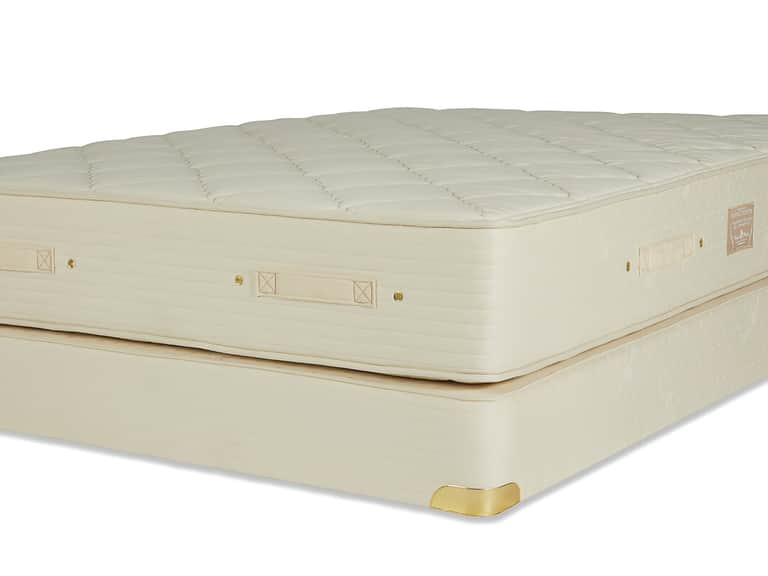
A modular mattress separates at least some of its comfort components into sections that can be selected or changed. In the EOS Classic, the defining idea is interchangeable comfort layers. Instead of asking buyers to choose only between an assortment of finished mattresses, the modular format makes the feel of the mattress a configuration decision. That can make the shopping process more specific: not simply “Which model?” but “Which comfort feel is right for each side of this bed?”
It is useful to distinguish comfort layers from a mattress’s overall support system. Comfort layers are the upper materials that shape the initial sensation of the bed: how readily the surface cushions the body, how much it gives around pressure points, and how quickly it responds when you move. Support comes from the deeper structure that helps carry body weight and maintain a stable sleep surface. These functions interact, but they are not interchangeable. A softer surface does not automatically mean a mattress lacks support, just as a firm surface does not guarantee that a sleeper will feel well aligned.
With a modular design, the layers are not a decorative feature. They are part of the way the mattress can be tuned. The advantage is practical as well as emotional: a choice that once felt permanent may be more adaptable, though the precise options, replacement process, and terms can vary. Review current product information and confirm what is included before purchase.
Why the comfort layer matters
The first impression of a mattress often comes from its surface. A comfort layer can soften the contact between the body and the bed, cushion prominent areas, and influence how quickly the mattress responds to pressure. For a side sleeper, that first layer may matter at the shoulder and hip. Someone who sleeps on their back may be more attentive to whether the body feels evenly supported. A stomach sleeper may prefer a surface that does not allow the midsection to sink too deeply.
These are useful starting points, not rules. People have different proportions, mobility, sensitivities, and habits. Some shift position throughout the night; others settle into one posture. Weight distribution can change how a material feels, and personal preference remains part of the equation. Two sleepers who share the same position may disagree completely about the ideal mattress feel.
That is why firmness ratings should be treated as shorthand rather than universal measurements. A “medium” mattress is not experienced identically by every body, and descriptions can differ among manufacturers. A modular mattress offers another way to think about the choice: focus on the sensation and the support you want, then determine which available configuration best matches that description.
Consider the difference between surface softness and depth of support. A mattress can feel gently cushioning at first contact while still feeling stable beneath the body. Conversely, a surface that feels quite firm in a showroom may create pressure for someone who spends much of the night on their side. A few minutes of testing can reveal an initial preference, but a realistic assessment should also consider how you sleep over time and how the mattress feels when you are relaxed, not merely upright or perched at the edge.
Choosing a feel around your sleep position
Sleep position is a helpful lens for choosing a comfort configuration, provided it is not treated as a prescription. The goal is to notice where your body meets the mattress and whether those areas feel comfortably cushioned while the rest of you feels settled.
- Side sleepers: Pay attention to pressure around the shoulder and hip. A surface with enough give to cushion these areas may feel more comfortable than an especially rigid one. At the same time, the body should not feel as though it is sinking unevenly.
- Back sleepers: Consider whether the mattress feels balanced from the shoulders through the pelvis. Some prefer a more enveloping surface; others want a flatter, more buoyant sensation. Notice whether your lower back feels comfortably supported rather than pushed upward or left without contact.
- Stomach sleepers: Many prefer a surface that feels comparatively firm and stable, particularly around the middle of the body. Personal comfort varies, so use this as a prompt for testing rather than a universal rule.
- Combination sleepers: If you change positions, responsiveness matters. Notice whether the mattress makes turning feel easy and whether the surface remains comfortable across more than one posture.
Before choosing a configuration, think about what your current mattress does well and what you would change. Does your shoulder feel compressed? Do you prefer to lie on top of the bed rather than sink into it? Do you wake when your partner moves? Concrete observations are more useful than a vague search for a mattress that is simply “comfortable.” They give you a language for comparing options.
It can also help to keep a short sleep-and-comfort note for several nights. Record your usual position, where you notice pressure, whether you wake warm or unsettled, and how you feel when you get up. A mattress is only one part of sleep, so a diary cannot prove that a particular surface is responsible for discomfort. Still, it can clarify your preferences before a major purchase.
A more thoughtful solution for couples
When two people share a bed, “compromise” can become the default mattress setting. One sleeper likes a plusher surface; the other prefers a firmer feel. Their preferred positions, body sizes, or sensitivity to movement may differ, too. A mattress with individually configurable sides can offer a more tailored answer than asking both people to accept exactly the same feel.
The Naturepedic EOS Classic’s modular concept makes this possibility part of the conversation. Depending on the options available for the chosen size and configuration, separate comfort choices for each side may allow partners to personalize their experience while sharing a single mattress. Confirm the current split-layer options with the retailer or manufacturer before ordering, since configurations and policies can change.
For a couple, testing together is a small but worthwhile ritual. Each person should lie in their usual sleep position, then try a second position if they commonly move during the night. Discuss specific sensations rather than making a quick verdict: “I want more cushioning at my shoulder” gives the decision more direction than “I like yours better.” If one sleeper is more sensitive to movement, note that separately; customization of comfort layers should not be assumed to address every aspect of motion transfer.
Even with different preferences, the shared experience of a bed depends on more than its surface. The foundation, frame, mattress dimensions, bedding, and room conditions all contribute. A carefully selected layer cannot make an undersized bed spacious, correct a poor foundation, or control the temperature of a warm room. Personalization works best as one part of a complete sleep setup.
The appeal—and limits—of adjustability
One of the most reassuring features of modular design is the sense that a decision need not be absolute. Bodies and preferences are not static. A person may change position, experience a shift in what feels comfortable, or discover after sustained use that their first choice was not quite right. A system that allows layers to be adjusted can make those changes less daunting than they might be with a fully fixed construction.
But modular does not mean infinitely customizable. The available comfort choices are still defined by the product, and changing a layer may involve a process, cost, or conditions that should be understood in advance. Ask what configurations are offered, how layer exchanges work, whether any trial period applies, and what is covered by the warranty. Request the details in writing if they are important to your decision.
It is also wise to separate adjustability from a guarantee of perfect sleep. A mattress can influence comfort, but sleep is shaped by many factors: schedule, stress, pain, temperature, noise, light, and health. Persistent or significant sleep problems deserve advice from a qualified healthcare professional rather than an assumption that a new mattress alone will resolve them.
Think of modularity as a useful option, not a promise of transformation. Its value lies in giving the owner a more considered route to a preferred feel and, in some cases, a means to revisit that choice. For shoppers who are uncertain between two levels of firmness or who share a bed with someone whose preferences differ, that flexibility may be especially meaningful.
Organic materials, considered clearly
The EOS Classic’s appeal also sits within the broader interest in organic mattresses. For many shoppers, material transparency matters alongside comfort: they want to understand what a mattress contains, how its layers are made, and which certifications apply to the finished product or to individual components.
“Organic” is not a substitute for reading the details. Certification scope matters, and a claim may refer to particular fibers or materials rather than every component in a finished mattress. Look for clear explanations of materials and independently verified certifications, then check what each certification actually covers. If you have a sensitivity or a specific environmental concern, ask direct questions rather than relying on a broad label.
Comfort and material priorities can be considered together, but neither should obscure the other. A mattress made with materials that appeal to you still needs to feel suitable for your body. Likewise, a comfortable first impression does not answer questions about construction or sourcing. The most confident choice is one that brings these considerations into the same conversation.
Because product specifications may change, consult the current Naturepedic information for the EOS Classic rather than relying on old descriptions or informal summaries. Confirm its layer materials, firmness options, certifications, mattress height, foundation requirements, and care guidance for the precise model and configuration you are considering.
A practical checklist before you choose
Customization is most useful when it begins with good questions. Before selecting a Naturepedic EOS Classic configuration, work through the details that will matter after the showroom moment has passed:
- Describe your preferred feel. Do you like a cushioned, close-to-the-body surface, or a buoyant, more level sensation? Which description fits your current mattress—and what would you change?
- Think about pressure points. Note whether your shoulder, hip, or another area tends to feel uncomfortable on your present sleep surface.
- Consider how you move. If you change positions, test more than one. A configuration should suit your real habits, not just the posture you adopt for a quick trial.
- Include your partner. Discuss each person’s needs separately, then confirm whether the chosen size supports different comfort selections on each side.
- Ask about exchanges. Check eligibility, timing, fees, delivery arrangements, and exactly which layers can be changed.
- Check the foundation. Confirm that your existing bed frame or base meets the product’s requirements and will support the mattress appropriately.
- Read the care and warranty terms. Understand how the mattress should be maintained and what the warranty does—and does not—cover.
- Compare the full cost. Consider the selected size, configuration, delivery, foundation, and any future adjustment costs together, not as separate surprises.
A thoughtful checklist can make the purchase feel less like a leap of faith. It also helps you compare the EOS Classic with other modular mattresses on meaningful terms. Rather than focusing on a single headline feature, assess the comfort options, layer construction, policies, materials, and practical fit for your bedroom.
Give your choice time
Even a promising mattress may feel unfamiliar at first. The body is accustomed to its existing sleep surface, and the first night is not always the most revealing test. Follow the manufacturer’s guidance on adjustment periods and trial terms, and give yourself a consistent routine for assessing comfort. Avoid changing several elements of the bedroom at once if you want to understand how the mattress itself feels.
When evaluating a configuration, look for patterns rather than isolated nights. Are you generally comfortable in your usual positions? Do you feel adequately supported? Has a recurring pressure sensation improved, remained the same, or changed? These observations are more useful than attempting to judge every morning as a final verdict.
If the feel seems wrong, consult the product’s adjustment policy promptly and ask about the appropriate next step. A modular mattress is designed to make configuration part of its value, but the practical details matter. Knowing how to request a change before you buy is as important as knowing which layer you prefer in a store.
The bottom line
The Naturepedic EOS Classic turns mattress comfort into a more personal design choice. Its interchangeable comfort layers distinguish it from a fixed construction, creating a path to select—or, where permitted, revise—the feel of the bed. For shoppers who want an organic mattress with a customizable approach, that modularity offers a compelling way to think beyond one-size-fits-all firmness labels.
The best configuration will depend on the sleeper: their position, their preferred surface sensation, their pressure points, and whether another person shares the bed. It will also depend on the specific layer choices and adjustment terms available at the time of purchase. Take time to test, ask detailed questions, and verify current specifications. A mattress should not ask you to become an expert in every material; it should give you enough clear information to make a decision that feels considered.
In the end, customization is less about chasing a perfect adjective and more about finding a sleep surface that makes sense for the way you actually rest. The EOS Classic’s modular idea offers a refined answer to that search: a mattress shaped not only around its construction, but around the people who sleep on it.
Frequently asked questions
What makes a modular mattress different?
A modular mattress uses components—such as comfort layers—that can be selected or adjusted rather than being permanently fixed in one configuration. The exact options depend on the model.
Can two people choose different feels?
Some modular mattress configurations allow different comfort choices on each side. Confirm whether this is available for the EOS Classic size and configuration you plan to order.
Does a softer comfort layer mean less support?
Not necessarily. Comfort and support are related but distinct aspects of mattress design. A softer-feeling surface may still sit above a supportive structure; the overall experience depends on the complete construction and the sleeper.
Will a customizable mattress improve sleep?
A suitable mattress may improve comfort, but sleep is influenced by many factors. Customization can help you select a feel that better matches your preferences; it is not a treatment for medical sleep conditions.