Mattress 101 · Materials & comfort
Latex Mattress Layers: A Guide to Feel, Support, and Care
There is a particular pleasure in a surface that responds as you move: a gentle lift, a soft welcome, and no prolonged feeling of being held in place. Latex mattresses are known for this buoyant character. But the experience depends on more than the word “latex” on a label. Layer construction, firmness, sleeper position, body weight, and the support beneath the mattress all shape the result.
A thoughtful latex mattress guide begins with the feel you want, then looks at how the bed is made and how it will be cared for. Here is how to assess those details with a clear eye.
The distinctive feel of latex
Latex tends to compress under pressure and spring back promptly when that pressure shifts. The sensation is often described as responsive, elastic, or buoyant. Rather than slowly molding around the body, as some memory foam surfaces do, latex usually adjusts more quickly as you turn or change position. That can make movement across the bed feel easy and unencumbered.
“Responsive” does not mean “hard,” and “buoyant” does not mean “firm.” A latex mattress can feel plush, medium, or quite supportive depending on the formulation, the thickness and arrangement of its layers, and the cover. A softer comfort layer may allow more cushioning at the shoulders and hips, while firmer layers below can limit how far the body settles. The same material can therefore create different experiences in different mattress designs.
Personal perception matters, too. A sleeper who is used to a slow, close contour may find latex lively at first. Someone who dislikes a sensation of sinking may welcome its lift. Neither response is a verdict on quality; it is a matter of matching the construction to individual preferences and needs.
What a mattress layer actually does
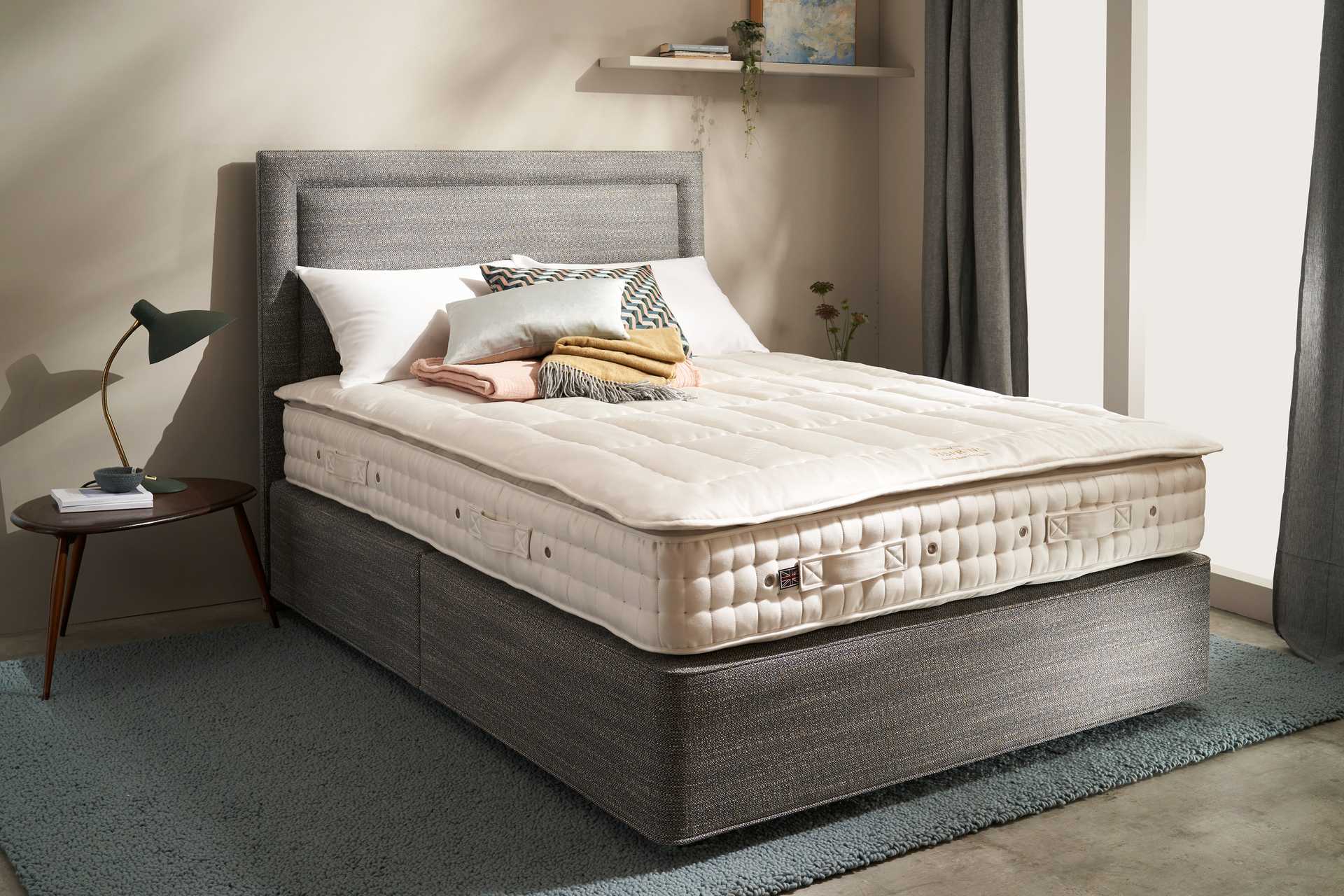
A mattress is a system, not a single slab of material. Its layers work together to cushion, distribute weight, support alignment, and create the surface feel. In a latex design, the upper comfort layer is generally the first to compress under the body. Deeper layers contribute stability and help determine how much the mattress yields overall.
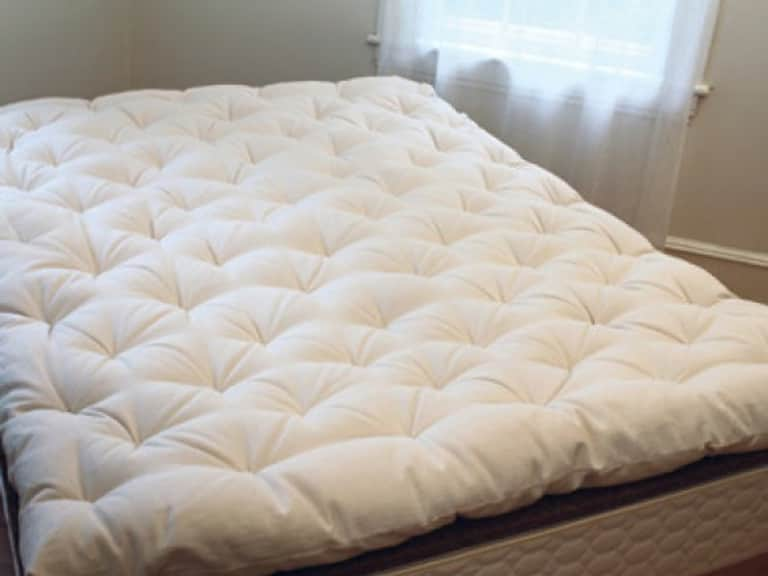
Some beds use latex throughout; others combine a latex comfort layer with a different support core. A latex topper, meanwhile, sits on top of a separate mattress and changes the feel of that existing sleep surface. It cannot necessarily correct a badly worn or sagging mattress, because the foundation below still influences support.
When comparing designs, ask for a layer-by-layer description rather than relying on a broad product label. Find out which materials are used, where they sit, and whether the stated thickness refers to the full mattress or only a particular layer. Construction details help explain why two beds described as latex may feel noticeably different.
A quick layer-reading checklist
- Identify the comfort layer, transition layers, and support core.
- Check the thickness and firmness of each layer, if the information is available.
- Ask whether the mattress is all latex or combines latex with other materials.
- Confirm what type of base or bed frame the manufacturer recommends.
- Review the trial period, warranty terms, delivery arrangements, and return costs.
Firmness, pressure relief, and support
Firmness is a description of the initial impression; support is about how the mattress holds the body over time. The two are related, but they are not interchangeable. A bed may feel soft at the surface while remaining supportive underneath, or feel firm without providing a comfortable fit at the shoulders and hips.
Pressure relief describes how a sleep surface distributes contact and reduces concentrated pressure. Side sleepers often pay close attention to the shoulder and hip area, where more body weight meets the mattress. Back sleepers may prefer a balance that cushions the body without allowing the pelvis to settle excessively. Stomach sleepers commonly seek a surface that limits deep sinking around the midsection. These are useful starting points, not rigid rules: body shape, weight, mobility, and personal comfort all affect the outcome.
Latex’s elastic response can provide cushioning while making it easier to move, but it does not guarantee a perfect fit for every sleeper. A layer that feels pleasantly plush in a showroom may behave differently after several hours of use, and a mattress that feels supportive to one person may not suit another. If possible, spend enough time lying in your usual sleep position to notice whether pressure builds and whether changing position feels natural.
When shopping with a partner, evaluate the bed together if you can. Different body weights and comfort preferences may call for a compromise, a split configuration, or a design with separately adjustable sides. Ask how the product handles motion transfer rather than assuming that one material automatically eliminates movement. The complete construction, bed size, and sensitivity of each sleeper all play a part.
Latex and sleep position
Side sleeping
A side sleeper may value enough give at the shoulder and hip to avoid an overly compressed feeling, while still wanting the waist and torso to feel comfortably held. Consider the mattress as a whole: a yielding top layer above a more supportive core can feel different from a uniformly firm surface. If you wake with persistent discomfort, reassess the mattress and pillow setup rather than assuming that changing firmness alone will solve the issue.
Back sleeping
Back sleepers often look for a relatively even, supported sensation, with comfortable contact along the body rather than a pronounced gap or a feeling of excessive sink. Latex’s quick response may appeal to people who like to shift position without feeling stuck. The right level of cushioning remains individual, so try the bed in your natural posture when testing options.
Stomach sleeping
People who sleep on their stomach may wish to be especially attentive to how much the hips and abdomen settle. A surface that feels too yielding can be uncomfortable for some sleepers in this position. There is no universal firmness prescription, but comparing a range of constructions and checking the maker’s guidance can help narrow the choices.
Combination sleeping
If you move between positions, ease of movement may be high on your list. Latex’s spring-back quality can make transitions feel less laborious than on a deeply conforming surface. Still, comfort depends on both the upper layers and the support system below them; responsiveness alone does not determine whether a mattress is suitable.
Latex types and material questions
Latex used in mattresses may be made from natural rubber, synthetic rubber, or a blend. The phrase “natural latex” generally refers to material derived from rubber-tree sap, but product descriptions vary and wording should be read carefully. Ask the manufacturer what the mattress contains and how its material claims are defined. If a particular certification matters to you, verify that the certificate applies to the specific product and component rather than relying on a broad marketing statement.
Two common manufacturing terms are Dunlop and Talalay. They refer to different processes used to make latex foam; they are not simple quality grades. Shoppers may encounter general descriptions of differences in feel or consistency, but the final experience also depends on the recipe, firmness, layer thickness, and complete mattress design. Treat the label as one piece of information, not a substitute for trying the mattress or reviewing its specifications.
It can also be helpful to ask about covers, adhesives, quilting, fire barriers, and any other materials used in the finished mattress. People with known latex allergies should consult an appropriate healthcare professional and obtain precise information from the manufacturer before making a decision. Product construction and individual sensitivity can vary, so a label alone may not answer a personal safety question.
Temperature, motion, and everyday comfort
Sleep temperature is influenced by many factors: room conditions, bedding, nightwear, mattress construction, and personal physiology. Latex is often selected for its responsive feel, but no material can promise that every sleeper will feel cool. Covers and quilting may affect the surface, and dense layers can change how warmth is perceived. If temperature is a concern, look at the full specification and consider the bedding and bedroom environment alongside the mattress.
Motion isolation is another quality worth testing rather than guessing. A springy surface can transmit some movement differently from a slow-moving foam, but the result depends on the mattress’s design and how much motion reaches the other side. Couples should consider the bed’s size, the weight and movement of each person, and their own sensitivity to disturbance. A showroom test may offer clues, though it cannot perfectly reproduce a full night at home.
Edge support can matter if you sit on the side of the bed, share a smaller mattress, or use its full surface. Ask whether the perimeter has a reinforced construction and assess the edge in person when possible. As with motion transfer and temperature, the answer is product-specific rather than guaranteed by the word “latex.”
Choosing with care: questions worth asking
Mattress shopping can be crowded with superlatives. A more useful approach is to translate your priorities into questions and compare the answers. Begin with what you want the bed to feel like, then look for evidence in the construction details, policies, and care instructions.
- What is the complete layer construction? Request a clear description of materials, thicknesses, and their placement.
- How is firmness described? Ask how the maker defines its scale and whether the rating applies to the whole mattress or a specific layer.
- What happens if the feel is not right? Read the trial terms, including the minimum test period, return fees, and pickup arrangements.
- What does the warranty cover? Check its duration, exclusions, and the conditions required to make a claim.
- What support does the base need to provide? Confirm slat spacing, frame compatibility, and any requirements for a foundation.
- How should the mattress be maintained? Follow the product’s own instructions rather than assuming it can be flipped, rotated, or cleaned in a particular way.
- Can claims about materials be verified? Look for specific, applicable documentation when certifications or sourcing claims are important to you.
Budget should be considered alongside construction and policies, not in place of them. A higher price does not automatically mean a better match, and an attractive initial offer is not the whole cost if delivery, setup, or returns carry additional fees. Compare like with like wherever possible.
Caring for a latex mattress
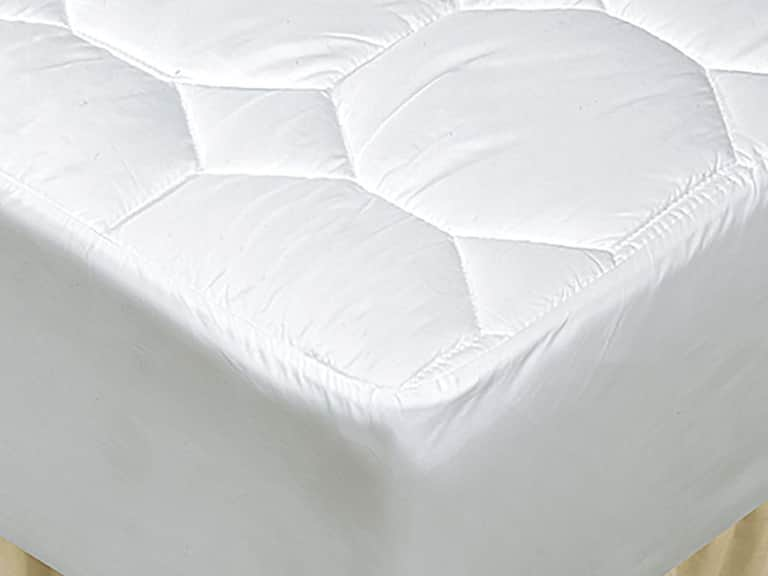
Good care is often simple: protect the sleep surface, keep the mattress properly supported, and follow the maker’s instructions. A breathable, appropriately sized mattress protector can help limit everyday exposure to spills, perspiration, and dust. Choose one that fits securely and does not create a surface feel you dislike.
Use a bed frame or foundation that meets the manufacturer’s requirements. Inadequate support can affect how a mattress performs and may also have implications for warranty coverage. Check the guidance before placing the mattress on a new base, and make sure the structure is stable and designed for the mattress’s dimensions and weight.
Do not assume a latex mattress should be flipped. Some mattresses are designed with a specific top and bottom, while others may have different care guidance. Rotation may be recommended for certain products, but schedules vary. The safest course is to consult the care label or manufacturer’s instructions and avoid bending or folding the mattress unless explicitly permitted.
For routine cleaning, remove bedding and address the area according to the maker’s directions. Avoid saturating the mattress or applying unapproved solvents, bleach, or harsh chemicals. Moisture trapped inside can be difficult to remove. If a spill occurs, act promptly, blot rather than rub, and allow the surface to dry fully before remaking the bed. Keep warranty documentation and care instructions somewhere easy to find.
Latex toppers: a measured adjustment
A latex topper can alter the surface feel of a mattress without replacing the entire bed. It may add cushioning or a more responsive layer, depending on its design. Before buying one, consider what you are trying to change: a mattress that feels slightly too firm may respond differently from one that is visibly sagging or no longer provides adequate support. A topper cannot reliably restore a failing mattress core.
Check the topper’s thickness, firmness, material description, cover, cleaning requirements, and fit with your sheets. A thicker layer may make a more noticeable change, but it can also affect the way the bed feels overall. If the underlying mattress is already very soft, adding another yielding layer may not create the support you want. Measure carefully and review the return policy, especially if you have not tried the material before.
Common latex mattress myths
“All latex mattresses feel the same.”
They do not. Firmness, layer arrangement, thickness, cover, and other materials can produce a wide range of sensations. The name of the material cannot tell you the whole story.
“Latex is always firm.”
Latex is available in different firmnesses and can be used in comfort layers as well as support layers. Firmness is a product characteristic, not an inevitable property of the material.
“Natural means universally better.”
Material preferences are personal, and “natural” does not automatically establish comfort, suitability, durability, or environmental impact. Check specific product information and decide which attributes matter most to you.
“A new mattress will solve every sleep problem.”
A comfortable sleep surface can be one part of a supportive sleep environment, but sleep difficulties can have many causes. Persistent pain, ongoing insomnia, breathing concerns, or significant daytime sleepiness deserve discussion with a qualified healthcare professional rather than being treated as a mattress-shopping problem alone.
A practical at-home evaluation
Once a mattress arrives, use the trial period deliberately. Give yourself time to become familiar with the surface, while keeping the rest of your routine reasonably consistent. Notice how easy it is to settle, whether you can change position comfortably, and whether the mattress feels supportive in the posture you actually use. Pay attention to recurring patterns rather than judging the bed after a single night.
Record a few simple observations: sleep position, pressure or discomfort, temperature, ease of movement, and whether a partner’s movements are disruptive. Check that the mattress is on the recommended foundation and that the protector and sheets fit correctly. If the surface feels very different from the one you tested, review what changed between the showroom and home setup.
Use the seller’s stated return or exchange process before its deadline, and keep packaging or documents if the terms require them. A trial is most useful when you know its conditions in advance and assess the mattress against your own priorities rather than a promise of perfection.
The considered choice
The appeal of latex lies in a particular balance: cushioning with lift, softness with a quick return, and a surface that can feel easy to move across. Yet no material can make the decision on its own. The right mattress is the one whose layers, firmness, and support suit your body and preferences, whose construction is clearly explained, and whose care requirements fit your life.
Take time to compare the details, ask direct questions, and test the bed in the positions you use most. Think beyond the first impression to pressure relief, movement, temperature, foundation requirements, and return terms. With that wider view, choosing a latex sleep surface becomes less about a fashionable material claim and more about finding a considered fit for restful, everyday comfort.